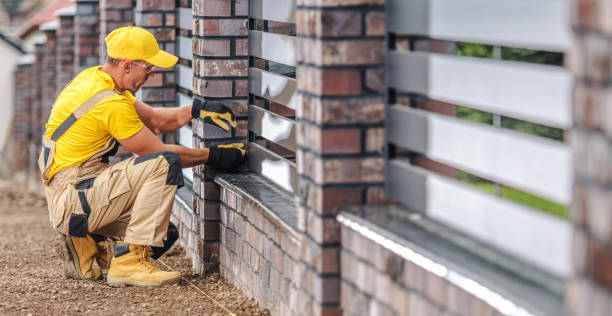
Selecting the ideal fence for your property involves balancing three primary factors: privacy, security, and aesthetics. Each of these elements plays a role in determining how well the fence meets your overall needs. By understanding the options available and tailoring them to your preferences, you can make an informed decision that enhances both functionality and curb appeal.
Consider Privacy Needs
- Offer a classic look that complements most homes.
- Can be built with full-height panels to completely block sightlines.
- Cedar and redwood are durable choices resistant to decay.
- Require minimal maintenance and provide a clean, polished appearance.
- Available in solid styles that ensure complete privacy.
- Provide natural aesthetics while maintaining privacy.
- Eco-friendly option due to bamboo’s sustainability.
You’ll also want to consider height restrictions in your local area as some regions limit fence height in front yards or along property lines.
Security Considerations
- Highly durable and difficult to breach.
- May feature pointed tops or decorative spikes for added deterrence.
- Economical option suitable for securing large areas.
- Can be topped with barbed wire or anti-climb mesh for increased security.
- Combines durability with low maintenance.
- Built taller with reinforced posts to prevent unauthorized access.
When selecting a security-focused fence, assess factors such as gate locks, access points, and visibility through the material (e.g., open metal designs allow better monitoring of activity on either side).
Enhancing Visual Appeal
- Match the material and design with your home’s architecture: | Architectural Style | Recommended Fence Types | |————————–|——————————-| | Modern/Contemporary | Horizontal wood slats; metal | | Traditional | Picket; wrought iron | | Rustic/Country | Split rail; wood panels |
- Lattice tops on wooden fences add subtle elegance.
- Arched gates or ornamental finials enhance steel fences’ charm.
- Neutral tones like white or beige create timeless appeal.
- Bold colors can make fences stand out as focal points.
To maximize visual impact while maintaining function, consider mixing materials like combining stone pillars with wooden panels or pairing aluminum frames with glass inserts.
By evaluating privacy needs, securing proper protection measures, and choosing aesthetically pleasing designs suited to your home’s style, you can select a fencing solution that meets all three goals effectively—privacy, security, and enhanced curb appeal—all in one installation.
Fence Installation Gainesville FL: Privacy Fencing Options to Keep Your Outdoor Space Hidden from View
A well-designed privacy fence can transform your outdoor area into a secluded retreat while adding value and character to your property. Selecting the right type of privacy fencing involves considering factors such as materials, durability, cost, and aesthetic appeal. Here are some of the most popular options to help you decide what works best for your space.
Wood Privacy Fences
Wood remains one of the most commonly used materials for privacy fences due to its versatility and timeless look. It offers excellent coverage and can be customized in height, style, and finish. Popular wood types include cedar, redwood, and pressure-treated pine.
Advantages: – Natural appearance that blends with outdoor settings – Customizable designs (lattice tops, horizontal slats) – Can be stained or painted in various colors
Disadvantages: – Requires regular maintenance (staining/sealing) – Susceptible to weather damage over time
Vinyl Privacy Fences
Vinyl fences are an increasingly popular choice for those seeking a low-maintenance option. They are made from durable PVC material and provide a clean, polished look.
Advantages: – Long-lasting and resistant to rot or pests – Available in various colors and textures – Minimal upkeep required (just occasional washing)
Disadvantages: – Higher initial cost compared to wood – Limited design customization options
Composite Privacy Fences
Composite fences are made from a blend of wood fibers and plastic materials. These fences mimic the natural look of wood but offer enhanced durability.
Advantages: – Resistant to warping, rot, and insects – Low maintenance with no need for staining or painting – Eco-friendly option as it often utilizes recycled materials
Disadvantages: – May have a higher upfront cost than traditional wood – Limited availability in some areas
Metal Privacy Fences with Decorative Panels
While metal fences like aluminum or steel are not traditionally associated with privacy fencing, incorporating decorative metal panels can create both privacy and modern aesthetics.
Advantages:
– Modern design options available
– Extremely durable and weather-resistant
Disadvantages:
– May lack complete opacity without custom panels
– Can be more expensive than traditional options
| Fence Type | Durability | Maintenance | Cost | Aesthetic Appeal |
| Wood | Moderate | High | $$ | Classic/Natural |
| Vinyl | High | Low | $$$ | Clean/Modern |
| Composite | High | Low | $$$ | Versatile/Modern |
| Metal + Panels | Very High | Low | $$$$ | Sleek/Contemporary |
Key Considerations When Choosing Privacy Fencing
- Purpose: Determine whether you need full coverage for seclusion or partial privacy with decorative elements.
- Budget: Consider upfront costs versus long-term maintenance expenses.
- Climate Conditions: Ensure your chosen material will withstand local weather patterns.
- Neighborhood Aesthetics: Align your fence style with community guidelines or neighboring properties.
By selecting the right material and design tailored to your preferences, you can create an outdoor space that offers both functionality and charm while maintaining privacy.
Choosing the Best Fence Company Gainesville FL to Boost Your Home’s Curb Appeal
The design of your fence plays a significant role in boosting your home’s curb appeal. A well-designed fence not only enhances the aesthetic value of your property but also increases its overall marketability. Whether you are planning to sell your home or simply want to create a welcoming exterior, the right fence design can make a lasting impression. Here’s how you can achieve this.
Consider Your Home’s Architecture
When selecting a fence design, it’s important to choose one that complements the architectural style of your home. This ensures cohesiveness and visual harmony across your property.
- Traditional Homes: Try classic picket fences made from wood or vinyl with neutral paint colors like white, beige, or gray.
- Modern Homes: Opt for minimalist designs using materials like metal, composite panels, or horizontal wooden slats.
- Rustic or Farmhouse-Style Homes: Split rail fences or timber fences with natural finishes are ideal for enhancing a rustic charm.
- Victorian Homes: Ornamental iron fencing with intricate details matches the vintage feel of Victorian-style architecture.
Choose Materials That Balance Aesthetics and Durability
| Material | Aesthetic Appeal | Durability | Maintenance Level |
| Wood | Warm, natural look | Moderate | High |
| Vinyl | Clean, polished appearance | High | Low |
| Metal (Aluminum) | Sleek and modern | High | Low |
| Wrought Iron | Elegant and decorative | High | Medium |
| Composite | Versatile in style options | High | Low |
Enhance Visual Interest with Design Details
- Decorative Post Caps: Add post caps in shapes like pyramids or globes to make the posts stand out.
- Color Accents: Experiment with dual-tone colors such as black rails combined with wooden panels.
- Integrated Landscaping: Plant climbing vines or shrubs along the base of the fence for added greenery.
- Laser-Cut Panels: Use laser-cut metal panels featuring intricate patterns for a sophisticated touch.
Match Fence Color to Your Exterior Palette
- Coordinate with accents on your house (e.g., shutters, doors).
- Use neutral tones for versatility if unsure about bold colors.
- Consider darker shades like black or deep brown for modern elegance.
Functionality Meets Style
- Incorporate gates that blend seamlessly into the design while providing easy access.
- Ensure proper height based on privacy requirements without overwhelming visual proportions.
Investing time into selecting a thoughtful fence design will add character to your property while enhancing its beauty and value over time.
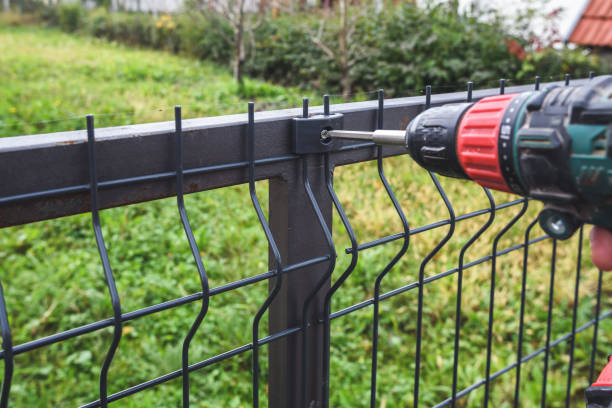
How Fence Repair Gainesville FL Can Improve Your Home’s Curb Appeal
The design of your fence plays a crucial role in your home’s overall aesthetic. A thoughtfully crafted fence not only serves functional purposes such as privacy and security but also significantly enhances your property’s curb appeal, increasing its value and charm. Below, we explore various ways that the right fence design can elevate your home’s appearance.
Selecting Materials That Complement Your Home
- Wood Fences: Known for their timeless look, wood fences work well with both traditional and modern homes. Cedar, redwood, and treated pine are among the most commonly used woods.
- Vinyl Fences: Offering a clean and polished appearance, vinyl requires minimal maintenance while mimicking the look of painted wood.
- Wrought Iron: This classic option provides an elegant and sophisticated touch, ideal for historic or high-end homes.
- Composite Fencing: A blend of wood fibers and plastic, composite fences combine durability with a contemporary look.
When selecting a material, consider how it pairs with your home’s existing features such as siding, trim, and landscaping.
Choosing Colors That Elevate Your Property
- Use darker stains or paints (e.g., black or dark brown) to contrast lighter exteriors.
- Choose muted greens or earth tones to blend with lush landscapes.
- Match the fence color to elements such as shutters or doors for cohesive styling.
Painting or staining can also help protect certain materials like wood from weathering over time.
Considering Fence Style Options
| Fence Style | Key Features | Best Suited For |
| Picket Fence | Classic charm; white pickets are iconic | Traditional homes; cottage-style |
| Horizontal Slat | Contemporary design; modern clean lines | Minimalist architecture |
| Lattice Panels | Decorative crisscross patterns | Garden-centric landscaping |
| Shadowbox Fence | Alternating vertical panels for depth | Homes needing partial privacy |
Evaluate which style aligns best with both functional needs and aesthetic preferences.
Adding Decorative Features
- Post Caps: Available in various designs (e.g., flat top, solar-powered lights).
- Arches/Gates: Ornamental gates or arched entryways improve visual interest.
- Plant Integration: Allow vines to grow along trellises or latticework for natural beauty.
These small details personalize your space while ensuring it stands out positively in the neighborhood.
Balancing Height and Proportions
A well-designed fence should be proportional to both your house size and yard dimensions. Oversized fences may overwhelm smaller properties while short fences might underserve larger lots visually and functionally.
By carefully balancing material types, colors, styles, decorative accents, and proportions when installing a new fence—or updating an existing one—you’ll create an inviting exterior that leaves a lasting impression on visitors while improving overall property value.
Understanding the Costs and Factors Involved in Professional Fence Installation
When considering professional fence installation, it’s essential to understand the costs and key factors that influence pricing. From materials to labor and permits, each component plays a crucial role in determining the overall expense of the project. Below is a detailed look at these considerations to help you plan effectively.
Key Factors That Affect Fence Installation Costs
- Type of Material
The choice of fencing material significantly impacts the cost. Here are common options with their typical price ranges per linear foot: - Wood: $15–$30
- Vinyl: $25–$50
- Chain Link: $10–$20
- Wrought Iron: $30–$70
Each material comes with its unique benefits, durability levels, and maintenance requirements. - Property Size
Larger properties require more fencing materials, leading to higher costs. Measuring your property’s perimeter can help estimate how much material will be needed. - Fence Height
Taller fences require additional material and may also require reinforced posts or specialized installation techniques, increasing labor costs. - Labor Costs
Professional installers typically charge based on the complexity of the job and local wage rates. On average, labor costs range between $30 to $50 per hour, depending on location and project requirements. - Land Conditions
Uneven terrain or rocky soil can complicate installation, requiring additional prep work such as grading or digging through tough ground conditions. - Permits and Regulations
Many municipalities require permits for fence installation to ensure compliance with zoning laws or homeowner association (HOA) guidelines. Permit fees can range from $50 to over $500 depending on your area. - Customization
Additional features like gates, latticework, or decorative elements can significantly increase both material and labor costs.
Cost Breakdown Table
| Component | Estimated Cost Range |
| Materials | $10–$70 per linear foot |
| Labor | $30–$50 per hour |
| Permits | $50–$500 |
| Customization Features | Variable (based on design) |
Tips for Managing Costs Effectively
- Request Multiple Quotes: Contact several professional fencing companies to compare prices and services.
- Consider Long-Term Maintenance: While some materials like wood may have lower upfront costs, they often require more frequent maintenance compared to vinyl or metal options.
- DIY When Possible: For smaller projects or straightforward installations in level terrain, doing it yourself can save significant labor expenses.
- Plan for Future Repairs: Allocate a budget for potential repairs by selecting durable materials that align with your climate conditions.
Why Professional Installation is Worth Considering
While DIY fence installation might seem cost-effective initially, hiring professionals offers several benefits: – Ensures proper alignment and structural integrity – Prevents costly mistakes during installation – Saves time by leveraging expert skills Investing in professional services often results in a fence that lasts longer while enhancing both functionality and appearance.
Understanding these factors ensures that you’re well-prepared when planning your fencing project—enabling you to make informed decisions about balancing quality with affordability for your property needs.
Selecting the Perfect Fence to Match Your Property’s Unique Needs
Choosing the right fence for your property is not only about functionality but also about seamlessly blending aesthetics, durability, and purpose. A well-selected fence should cater to your specific needs, whether that’s privacy, security, or enhancing the overall appearance of your home. Below are key factors and considerations to guide you in selecting a fence that perfectly matches your property.
Assess Your Primary Goal
- Privacy: Ideal for seclusion and creating a barrier from neighbors or busy streets. These fences usually have minimal gaps between panels.
- Security: Designed to protect against unauthorized access or intrusions with sturdy materials and often tall, reinforced structures.
- Aesthetic Enhancement: Decorative fences prioritize complementing the home’s exterior design over complete privacy or security.
Explore Common Fence Materials
Each fencing material has its own strengths in terms of durability, maintenance requirements, and style flexibility.
| Material | Key Features | Ideal For |
| Wood | Classic look; customizable designs | Privacy and aesthetic appeal |
| Vinyl | Low maintenance; weather-resistant | Clean and modern appearances |
| Metal (e.g., Aluminum/Iron) | Durable; elegant styles | Security and ornamental use |
| Chain Link | Affordable; low-profile visibility | Basic security without blocking views |
| Composite | Eco-friendly; wood-like appearance | Long-lasting privacy fencing |
Consider Your Property’s Landscape
- Terrain: Uneven or sloped land may require stepped or contoured fencing for consistent height and appearance.
- Climate: Areas prone to extreme weather demand materials like vinyl or metal for better longevity over wood.
- Space Constraints: Compact yards benefit from fences with vertical designs to create an illusion of height without overwhelming visual space.
Harmonize with Your Home’s Style
- Traditional homes pair well with picket or wooden fences painted in neutral tones.
- Modern homes benefit from sleek metal fencing options like aluminum panels.
- Rustic-style properties often blend seamlessly with untreated wood or split rail designs.
When you align fencing materials and styles with your home’s aesthetic value, it enhances curb appeal while maintaining functionality.
Practical Tips for Choosing the Right Fence
- Research local zoning laws to ensure compliance regarding height limits and material restrictions.
- Factor in long-term costs like maintenance (e.g., repainting wood vs low-maintenance vinyl).
- Set a budget based on both upfront installation costs as well as ongoing upkeep expenses.
- Request sample materials from suppliers to visualize how they integrate into your existing landscape.
By carefully evaluating these factors, you can select the perfect fence that meets both practical needs and enhances the overall charm of your property while staying within budgetary constraints.
- How Long Does Fence Installation Gainesville FL Typically Take?
- How to Choose the Best Fencing Contractor Gainesville FL for Privacy, Security, and Curb Appeal
- Fence Problems and Solutions from a Leading Fence Company Gainesville FL
- Expert Solutions from a Fence Company Gainesville FL: Fix Leaning or Sagging Fence Posts
- Choosing the Right Fence for Your Home with Fence Installation Gainesville FL
- How a Fence Company Gainesville FL Can Help Solve Common Fence Problems
- Timeline and Process: How Long Does Fence Installation Gainesville FL Take?