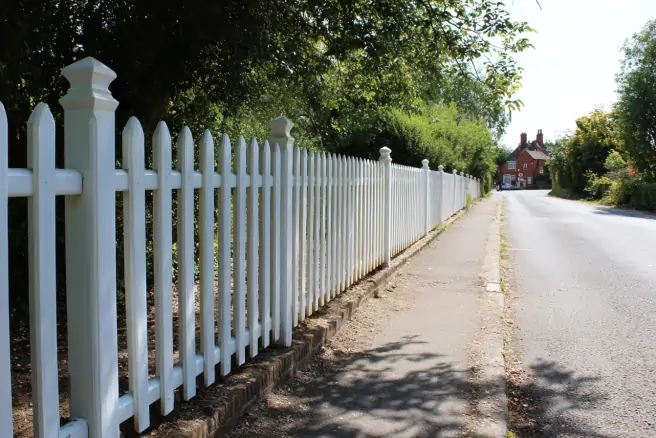
When planning to install a new fence, one of the most common questions homeowners have is how long the process will take. The timeline for professional fence installation can vary based on several factors, including the size of the property, the type of fence being installed, and specific site conditions. On average, a standard residential fence installation takes anywhere from 1 to 3 days. However, more complex projects may require additional time.
Factors That Influence Installation Time
- Fence Length: Larger properties with greater perimeters will naturally take longer to install compared to smaller lots.
- Material Type: Different materials require varying levels of effort and time for installation:
- Vinyl and aluminum fences are generally faster to install due to their prefabricated components.
- Wood fences may take longer due to custom cutting, staining, or sealing requirements.
- Chain-link fences are often quicker but require precision in stretching and securing the mesh.
- Rocky soil or uneven terrain can slow down post-digging and alignment.
- Existing trees or other obstructions may require clearing before work begins.
- Weather: Rainy or excessively windy conditions can delay work due to safety concerns or challenges with concrete curing for posts.
Typical Fence Installation Timeline
| Stage | Estimated Timeframe | Notes |
| Property Assessment | 1 day (or less) | Includes consultation and measurements. |
| Permit Approval (if needed) | Varies by local ordinances | Some areas require permits before starting construction. |
| Site Preparation | 1–2 days | Clearing vegetation, marking boundaries. |
| Post Installation | 1–2 days | Posts are set in concrete; drying time may be required. |
| Panel/Material Placement | 1–2 days | Panels or materials installed between posts. |
| Final Adjustments & Cleanup | Less than a day | Alignments checked; job site cleaned up. |
Tips for Reducing Installation Time
- Plan Ahead: Obtain any necessary permits well in advance so they do not delay work.
- Communicate Clearly: Discuss deadlines and expectations with your fencing contractor before starting.
- Prepare Your Yard: Remove any obstacles like overgrown plants, debris, or old fencing materials prior to installation day.
By accounting for these variables and working with an experienced fencing contractor, you’ll have a clear understanding of how long your project will take while ensuring efficient results tailored to your property’s needs.
Key Factors That a Fence Company Gainesville FL Considers for Installation Time
Installing a fence is a significant investment that requires careful planning and execution. While many people focus on the outcome, understanding the factors influencing installation time is critical for proper project management. Below are some of the key factors that impact how long it takes to install a fence professionally.
1. Type of Fence Material
Different materials come with varying installation requirements, which can directly affect the timeline.
– Wood: Typically takes longer as it involves precise cutting, staining, or painting (if not pre-treated). Posts may also require time to settle in concrete. – Vinyl: Easier and quicker to install due to prefabricated panels. – Chain Link: Relatively fast; however, tensioning and stretching the mesh can be time-consuming in large spaces. – Metal or Aluminum: Pre-manufactured panels allow for faster installation but may require extra care if custom designs are involved.
| Material | Estimated Installation Time |
| Wood | 3–5 days |
| Vinyl | 2–4 days |
| Chain Link | 1–3 days |
| Metal/Aluminum | 2–4 days |
2. Terrain and Landscape Conditions
Uneven or challenging terrain can significantly extend the project timeline.
– Rocky Soil: May require additional effort or specialized tools for digging post holes. – Sloped Yards: Need customized adjustments like stepped fencing or retaining walls. – Pre-existing Obstacles: Trees, roots, or utilities must be accounted for before progress can continue.
Proper pre-installation site assessments can help mitigate delays caused by unexpected landscaping challenges.
3. Weather Conditions
Weather plays an influential role in outdoor construction projects: – Heavy rain can cause delays by softening soil and making excavation harder. – Extreme heat may slow down labor productivity. – Freezing temperatures make digging difficult and prolong concrete setting times.
Monitoring weather forecasts during planning is essential to avoid unnecessary downtime.
4. Property Size
The larger your property, the longer it will take to install a complete fence: – A small yard with straight lines could be completed within a few days. – Larger properties with complex layouts may extend timelines significantly due to additional measurements and materials needed.
For example: | Property Size | Estimated Timeline | |——————|—————————–| | Small (under ¼ acre) | 1–3 days | | Medium (¼–½ acre) | 3–5 days | | Large (over ½ acre) | Up to a week or more |
5. Permits and Regulations
Obtaining necessary permits from local authorities could delay your installation timeline if not planned adequately in advance. Some jurisdictions have strict regulations regarding property boundaries, fence height limits, and material restrictions that must be adhered to before work begins.
6. Complexity of Design
The more intricate the design of your chosen fence style, the longer it will take:
– Ornamental fences with decorative elements involve additional labor compared to standard privacy fences. – Custom gates or automated systems add another layer of complexity requiring extra time for proper alignment and calibration.
Summary
Understanding these critical factors ensures you are well-prepared for any potential delays during your fencing project: 1. Choose materials wisely based on their ease of installation. 2. Assess terrain conditions early on to avoid surprises later. 3. Be mindful of weather patterns when scheduling work. 4. Calculate additional time required for larger properties or complex designs. 5. Obtain all necessary permits well before starting construction.
By accounting for these aspects from the outset, you’ll set realistic expectations for both yourself and your professional installer throughout each stage of the process.
How to Properly Prepare Your Property for a Successful Fence Installation
1. Understand Local Regulations and Obtain Permits
Before any work begins, it’s essential to understand local regulations regarding fencing in your area. Many municipalities have specific rules about:
– Fence height restrictions
– Setback requirements (distance from property lines)
– Approved materials or styles (particularly in HOA communities)
Action Steps:
– Contact your city or county zoning office to inquire about necessary permits.
– Review HOA guidelines if applicable, as noncompliance could result in fines or removal of the fence.
https://gainesvillefencingprousfl.blogspot.com/2026/03/fence-company-gainesville-fl.html
2. Clearly Define Your Property Lines
One of the most common issues homeowners face during fence installation is disputes over property boundaries. Ensure you know exactly where your property begins and ends to avoid problems with neighbors.
How to Determine Property Lines:
| Method | Description | |———————-|—————————————————————————–| | Check Your Survey Map | Review the land survey provided when you purchased your home for clarity. | | Hire a Land Surveyor | If unsure, hiring a professional surveyor can provide an accurate boundary map. |
3. Identify Underground Utilities
Digging post holes without identifying underground utilities can lead to costly damages or safety hazards. Before digging, contact local utility providers through services like 811 Call Before You Dig (available in the U.S.) to mark buried gas, water, electric, and telecommunication lines.
4. Remove Obstacles from the Installation Area
Prepare the worksite by ensuring it is free of debris or obstructions that may delay progress:
– Trim back overgrown vegetation such as bushes or tree branches near the proposed fence line.
– Remove rocks, old fencing materials, or other objects blocking access to post locations.
If necessary, level uneven areas of ground since slopes may affect both stability and alignment during installation.
5. Discuss Plans with Neighbors (Optional but Recommended)
Although not required by law in most places, informing your neighbors about upcoming fence installation work fosters good relations and avoids potential disputes over shared boundaries.
Key points to discuss:
– Placement relative to shared property lines. – Potential noise or disturbances during construction. – Whether they might contribute financially if they’ll benefit from added privacy or security.
6: Choose a Strategic Fence Layout
Consider how factors like sunlight exposure, wind direction, and landscaping will interact with your new fence:
– Wind Resistance: For windy areas, opt for fences with slight gaps between panels for better airflow rather than solid styles that may act as barriers. – Aesthetics: Decide whether you want an outward-facing “good neighbor” design where both sides look identical.
By addressing these steps before installation begins, you set yourself up for a smoother process while minimizing delays and unforeseen issues during construction stages.
Exploring the Benefits of Professional vs. DIY Fence Installation Projects
When deciding to install a fence, homeowners often face the question: should they hire professionals or take on the project themselves? While both approaches offer distinct advantages, understanding the benefits of professional installation versus a do-it-yourself (DIY) project can help you make an informed decision.
Benefits of Professional Fence Installation
- Professionals have extensive training and experience in handling diverse fencing materials and designs.
- They can navigate complex installations, such as uneven terrains or challenging soil conditions, ensuring structural integrity.
- Professional installers can complete projects quickly without compromising on quality.
- They have access to advanced tools and equipment that streamline the process.
- Professionals are familiar with local zoning laws, permits, and property line requirements.
- This ensures your fence complies with legal standards, avoiding potential disputes or fines.
- Many professional services provide warranties for their workmanship and materials used during installation.
- This offers peace of mind in case issues arise post-installation.
Advantages of DIY Fence Installation
- By eliminating labor costs associated with hiring professionals, you may reduce overall expenses for your fencing project.
- DIY projects allow homeowners to work at their own pace and make adjustments as needed during the process.
- Completing a fence on your own provides a sense of accomplishment while adding a personal touch to your property’s aesthetics.
Comparing Key Aspects
| Factor | Professional Installation | DIY Installation |
| Cost | Higher due to labor fees but may include warranties | Lower upfront costs but no warranties |
| Time Required | Faster due to expertise and tools | Longer depending on skill level |
| Quality Assurance | High-quality standards ensured by trained experts | Dependent on homeowner’s skillset |
| Legal Compliance | Managed by professionals who understand local regulations | Requires homeowner research |
| Tools & Equipment | Provided by professionals | Homeowners must purchase or rent |
Situations Where Professional Services Are Ideal
- Large-scale projects or properties requiring extensive fencing.
- Complex designs such as curved fences or custom features.
- Properties with challenging landscapes like slopes or rocky terrain.
- Homeowners who lack time, tools, or confidence in completing the task themselves.
When DIY Might Be Suitable
- Small-scale projects such as garden fences.
- Simple designs that don’t require specialized techniques.
- Individuals comfortable using power tools with prior construction experience.
By weighing these factors carefully—such as cost implications, time investment, quality expectations—it becomes easier to determine whether professional help aligns better with your goals than tackling the project yourself.
How a Fencing Contractor Gainesville FL Can Help You Choose Materials for Faster Installation
When planning a fence installation, selecting the right material is crucial to balancing aesthetics, durability, cost, and installation efficiency. The type of material you choose can significantly affect how long it takes to install the fence and how smoothly the process unfolds. Below, we’ll explore common fencing materials and their impact on installation time and efficiency.
Popular Fence Materials and Their Installation Timelines
- Pros: Classic appearance, versatile design options.
- Installation Time: Moderate — typically 2–3 days for average-sized yards.
- Considerations: Wood fences often require precise measurements and cutting on-site. Additionally, sealing or painting may be necessary after installation, which can extend the timeline.
- Pros: Low maintenance, modern look, weather-resistant.
- Installation Time: Fast — usually 1–2 days for most projects.
- Considerations: Vinyl panels are often pre-fabricated, which simplifies installation compared to wood. However, ensuring level ground is essential for a seamless finish.
- Pros: Affordable, durable, low-maintenance.
- Installation Time: Very fast — typically 1–2 days or less for straightforward installations.
- Considerations: Chain link fences are relatively quick to install because they involve fewer customizations or precise adjustments compared to wood or ornamental fences.
- Pros: Elegant appearance, durable against weather conditions.
- Installation Time: Moderate — around 2–4 days depending on project complexity.
- Considerations: Ornamental fences often require more attention to alignment due to intricate designs but usually come in modular panels that reduce labor time overall.
- Pros: Eco-friendly option made from recycled materials; highly durable.
- Installation Time: Moderate – generally 2-3 days depending upon yard size/complexity
- The heavier weight however adds additional logistical steps whether onsite delivery setup requiring added machinery usages hence delaying minorly versus lightweight competitors
| Material | Installation Speed | Maintenance Required | Cost Range (per linear foot) |
| Wood | Moderate | High | $15–$30 |
| Vinyl | Fast | Low | $20–$40 |
| Chain Link | Very Fast | Low | $10–$20 |
| Aluminum/Steel | Moderate | Low-Medium | $25–$50 |
| Composite | Moderate | Low | $30–$50 |
Factors That Influence Efficiency
- Terrain: Uneven or sloped ground can increase preparation time regardless of material type.
- Weather Conditions: Rainy or windy weather may delay progress for some materials that require adhesives or precise alignments.
- Customization Needs: Custom-designed fences (e.g., decorative wooden panels) will naturally take longer than pre-fabricated options such as vinyl or chain link.
- Crew Expertise: Professional installers with experience in handling specific materials can expedite the process while maintaining quality standards.
Tips for Faster Installations
- Opt for pre-fabricated panels when possible (vinyl/aluminum).
- Clear obstacles like debris or roots before professionals arrive.
What Homeowners Should Expect During the Entire Fence Installation Process
Installing a new fence is a multi-step process that requires careful planning, preparation, and execution. For homeowners who are new to this process, understanding what to expect can make the experience far smoother. Below is a step-by-step guide to help you navigate the entire fence installation journey.
1. Initial Consultation and Site Evaluation
Most professional fence installations begin with an initial consultation where contractors assess your property and discuss your specific needs. During this phase, you can expect:
– Site Measurement: The contractor will measure the boundaries of your property to determine the necessary length of fencing.
– Material Discussion: You’ll choose from various materials such as wood, vinyl, aluminum, or chain link based on your budget and aesthetic preferences.
– Budget Estimate: Contractors will provide an estimate for materials and labor costs tailored to your project specifications.
Pro Tip: Be clear about any special requirements such as gates or privacy panels during this stage to avoid surprises later.
2. Permits and Legal Approvals
Before installation begins, it’s essential to address all regulatory requirements:
– Zoning Laws Compliance: Verify local zoning laws concerning fence height, placement, and design restrictions.
– HOA Rules (if applicable): If you live in a neighborhood governed by a homeowners association (HOA), ensure your design aligns with their guidelines.
– Utility Check: Contractors may coordinate with local utility companies to mark underground lines before digging begins.
Many professional installers handle permitting on behalf of homeowners, but confirm this responsibility upfront.
3. Property Preparation
Proper preparation ensures smoother installation:
– Clear any debris or obstacles near the perimeter of where the fence will be installed. – Mark boundaries clearly if they aren’t already defined. – Trim overgrown grass or shrubs around the installation site.
If excavation work is required for post placement in uneven terrain or rocky soil conditions, additional time may be needed for preparation.
4. Fence Installation Process
| Step | Description | Time Estimate |
| Post Placement | Digging holes and anchoring posts securely in concrete | 1–2 days |
| Panel Attachment | Panels or pickets are attached securely between posts | 1–3 days depending on length |
| Gate Installation | Gates are added and tested for proper alignment | Few hours |
| Finishing Touches | Includes staining/painting (if wood) & cleanup | Typically same day |
The total duration depends heavily on factors like property size, material type, weather conditions, and installer efficiency.
5. Inspection and Final Walkthrough
After completing the work: – Inspect the structure alongside your contractor for quality assurance. – Confirm gates swing smoothly without gaps. – Address any adjustments needed immediately before making final payments.
Key Takeaways for Homeowners
Being informed about each step helps reduce stress associated with surprises during fence installation: 1. Plan ahead by consulting professionals early. 2. Ensure legal compliance by securing permits well before work begins. 3. Budget extra time if unique challenges arise like sloped landscapes or seasonal delays.
Understanding these fundamentals gives you confidence throughout every phase of installing a durable and aesthetically pleasing new fence around your home or business property.
Top Questions to Ask Before Taking the Next Step in Installing a New Fence
Installing a new fence is a significant investment, and ensuring you make informed decisions beforehand is vital. Asking the right questions can save time, money, and potential headaches. Here’s what you should consider before moving forward with your fencing project.
1. What Is the Purpose of Your Fence?
Understanding why you need a fence helps determine the most suitable type and material. Common purposes include:
– Enhanced privacy: Solid wood or vinyl fences are ideal for blocking views. – Security: Metal fences such as aluminum or wrought iron provide added durability. – Aesthetic appeal: Decorative options like split rail or picket fences may suit your property. – Containing pets or children: Chain-link fences with specific heights might be sufficient.
2. What Fencing Material Best Suits Your Needs?
| Material | Pros | Cons |
| Wood | Natural look, customizable | Requires regular maintenance |
| Vinyl | Low maintenance, durable | Higher upfront cost |
| Chain Link | Affordable, easy to install | Limited privacy |
| Aluminum | Rust-resistant, long-lasting | Less sturdy than steel |
| Wrought Iron | Elegant design, highly durable | Expensive and heavy |
Evaluate each material based on your budget and functional preferences.
3. Are There Local Regulations or Permits Involved?
Before installation begins, check with your local municipality for zoning laws or permits required for adding a fence. Regulations might dictate:
– Maximum allowable height for fencing. – Proximity restrictions from property lines. – Approved materials for specific neighborhoods (e.g., homeowner association rules).
Ignoring these requirements can lead to fines or forced removal later.
4. How Will Property Lines Be Determined?
Disputes over property boundaries can delay installation or create legal issues. Confirming exact property lines is essential before work begins by:
– Reviewing the surveyor’s map of your property. – Hiring a professional surveyor if needed.
5. What Is the Total Cost of Installation?
Always request detailed quotes from contractors that outline labor costs, materials needed, equipment usage fees (if applicable), and additional charges such as debris removal post-installation.
Questions to clarify include: – Are there hidden expenses not included in the quote? – Does the contractor offer warranties on labor/materials?
6. How Long Will Installation Take?
Installation duration depends on factors such as fence material, yard size/topography, and weather conditions. Discuss timelines with contractors to get an accurate estimate.
7. Is Professional Installation Better Than DIY for My Project?
While DIY installations may seem appealing for budget-conscious homeowners, they require significant time and expertise to complete effectively. Key points to consider are:
– Do you have access to specialized tools required? – How comfortable are you managing challenges like uneven terrain?
Professionals bring experience that ensures efficient installation while minimizing errors that could compromise quality.
By addressing these questions early in the process, homeowners can approach their fencing project confidently equipped with all necessary information.
- How Long Does Fence Installation Gainesville FL Typically Take?
- How to Choose the Best Fencing Contractor Gainesville FL for Privacy, Security, and Curb Appeal
- Fence Problems and Solutions from a Leading Fence Company Gainesville FL
- Expert Solutions from a Fence Company Gainesville FL: Fix Leaning or Sagging Fence Posts
- Choosing the Right Fence for Your Home with Fence Installation Gainesville FL
- How a Fence Company Gainesville FL Can Help Solve Common Fence Problems
- Timeline and Process: How Long Does Fence Installation Gainesville FL Take?