How to Choose the Best Fencing Contractor Gainesville FL for Privacy, Security, and Curb Appeal
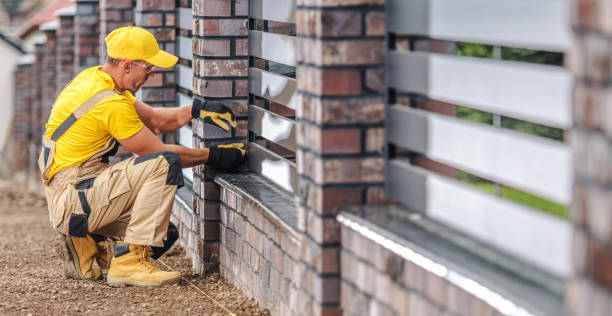
Selecting the ideal fence for your property involves balancing three primary factors: privacy, security, and aesthetics. Each of these elements plays a role in determining how well the fence meets your overall needs. By understanding the options available and tailoring them to your preferences, you can make an informed decision that enhances both functionality and curb appeal.
Consider Privacy Needs
- Offer a classic look that complements most homes.
- Can be built with full-height panels to completely block sightlines.
- Cedar and redwood are durable choices resistant to decay.
- Require minimal maintenance and provide a clean, polished appearance.
- Available in solid styles that ensure complete privacy.
- Provide natural aesthetics while maintaining privacy.
- Eco-friendly option due to bamboo’s sustainability.
You’ll also want to consider height restrictions in your local area as some regions limit fence height in front yards or along property lines.
Security Considerations
- Highly durable and difficult to breach.
- May feature pointed tops or decorative spikes for added deterrence.
- Economical option suitable for securing large areas.
- Can be topped with barbed wire or anti-climb mesh for increased security.
- Combines durability with low maintenance.
- Built taller with reinforced posts to prevent unauthorized access.
When selecting a security-focused fence, assess factors such as gate locks, access points, and visibility through the material (e.g., open metal designs allow better monitoring of activity on either side).
Enhancing Visual Appeal
- Match the material and design with your home’s architecture: | Architectural Style | Recommended Fence Types | |————————–|——————————-| | Modern/Contemporary | Horizontal wood slats; metal | | Traditional | Picket; wrought iron | | Rustic/Country | Split rail; wood panels |
- Lattice tops on wooden fences add subtle elegance.
- Arched gates or ornamental finials enhance steel fences’ charm.
- Neutral tones like white or beige create timeless appeal.
- Bold colors can make fences stand out as focal points.
To maximize visual impact while maintaining function, consider mixing materials like combining stone pillars with wooden panels or pairing aluminum frames with glass inserts.
By evaluating privacy needs, securing proper protection measures, and choosing aesthetically pleasing designs suited to your home’s style, you can select a fencing solution that meets all three goals effectively—privacy, security, and enhanced curb appeal—all in one installation.
Fence Installation Gainesville FL: Privacy Fencing Options to Keep Your Outdoor Space Hidden from View
A well-designed privacy fence can transform your outdoor area into a secluded retreat while adding value and character to your property. Selecting the right type of privacy fencing involves considering factors such as materials, durability, cost, and aesthetic appeal. Here are some of the most popular options to help you decide what works best for your space.
Wood Privacy Fences
Wood remains one of the most commonly used materials for privacy fences due to its versatility and timeless look. It offers excellent coverage and can be customized in height, style, and finish. Popular wood types include cedar, redwood, and pressure-treated pine.
Advantages: – Natural appearance that blends with outdoor settings – Customizable designs (lattice tops, horizontal slats) – Can be stained or painted in various colors
Disadvantages: – Requires regular maintenance (staining/sealing) – Susceptible to weather damage over time
Vinyl Privacy Fences
Vinyl fences are an increasingly popular choice for those seeking a low-maintenance option. They are made from durable PVC material and provide a clean, polished look.
Advantages: – Long-lasting and resistant to rot or pests – Available in various colors and textures – Minimal upkeep required (just occasional washing)
Disadvantages: – Higher initial cost compared to wood – Limited design customization options
Composite Privacy Fences
Composite fences are made from a blend of wood fibers and plastic materials. These fences mimic the natural look of wood but offer enhanced durability.
Advantages: – Resistant to warping, rot, and insects – Low maintenance with no need for staining or painting – Eco-friendly option as it often utilizes recycled materials
Disadvantages: – May have a higher upfront cost than traditional wood – Limited availability in some areas
Metal Privacy Fences with Decorative Panels
While metal fences like aluminum or steel are not traditionally associated with privacy fencing, incorporating decorative metal panels can create both privacy and modern aesthetics.
Advantages:
– Modern design options available
– Extremely durable and weather-resistant
Disadvantages:
– May lack complete opacity without custom panels
– Can be more expensive than traditional options
| Fence Type | Durability | Maintenance | Cost | Aesthetic Appeal |
| Wood | Moderate | High | $$ | Classic/Natural |
| Vinyl | High | Low | $$$ | Clean/Modern |
| Composite | High | Low | $$$ | Versatile/Modern |
| Metal + Panels | Very High | Low | $$$$ | Sleek/Contemporary |
Key Considerations When Choosing Privacy Fencing
- Purpose: Determine whether you need full coverage for seclusion or partial privacy with decorative elements.
- Budget: Consider upfront costs versus long-term maintenance expenses.
- Climate Conditions: Ensure your chosen material will withstand local weather patterns.
- Neighborhood Aesthetics: Align your fence style with community guidelines or neighboring properties.
By selecting the right material and design tailored to your preferences, you can create an outdoor space that offers both functionality and charm while maintaining privacy.
Choosing the Best Fence Company Gainesville FL to Boost Your Home’s Curb Appeal
The design of your fence plays a significant role in boosting your home’s curb appeal. A well-designed fence not only enhances the aesthetic value of your property but also increases its overall marketability. Whether you are planning to sell your home or simply want to create a welcoming exterior, the right fence design can make a lasting impression. Here’s how you can achieve this.
Consider Your Home’s Architecture
When selecting a fence design, it’s important to choose one that complements the architectural style of your home. This ensures cohesiveness and visual harmony across your property.
- Traditional Homes: Try classic picket fences made from wood or vinyl with neutral paint colors like white, beige, or gray.
- Modern Homes: Opt for minimalist designs using materials like metal, composite panels, or horizontal wooden slats.
- Rustic or Farmhouse-Style Homes: Split rail fences or timber fences with natural finishes are ideal for enhancing a rustic charm.
- Victorian Homes: Ornamental iron fencing with intricate details matches the vintage feel of Victorian-style architecture.
Choose Materials That Balance Aesthetics and Durability
| Material | Aesthetic Appeal | Durability | Maintenance Level |
| Wood | Warm, natural look | Moderate | High |
| Vinyl | Clean, polished appearance | High | Low |
| Metal (Aluminum) | Sleek and modern | High | Low |
| Wrought Iron | Elegant and decorative | High | Medium |
| Composite | Versatile in style options | High | Low |
Enhance Visual Interest with Design Details
- Decorative Post Caps: Add post caps in shapes like pyramids or globes to make the posts stand out.
- Color Accents: Experiment with dual-tone colors such as black rails combined with wooden panels.
- Integrated Landscaping: Plant climbing vines or shrubs along the base of the fence for added greenery.
- Laser-Cut Panels: Use laser-cut metal panels featuring intricate patterns for a sophisticated touch.
Match Fence Color to Your Exterior Palette
- Coordinate with accents on your house (e.g., shutters, doors).
- Use neutral tones for versatility if unsure about bold colors.
- Consider darker shades like black or deep brown for modern elegance.
Functionality Meets Style
- Incorporate gates that blend seamlessly into the design while providing easy access.
- Ensure proper height based on privacy requirements without overwhelming visual proportions.
Investing time into selecting a thoughtful fence design will add character to your property while enhancing its beauty and value over time.
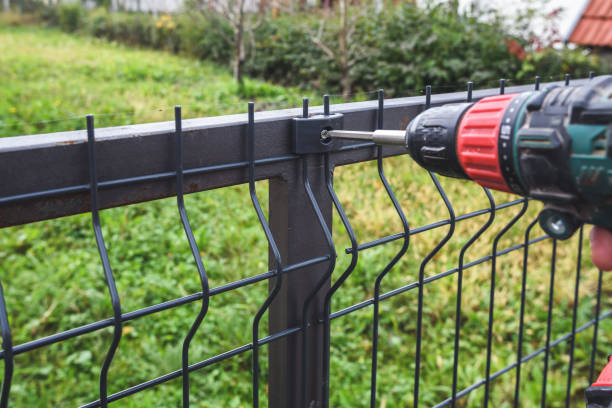
How Fence Repair Gainesville FL Can Improve Your Home’s Curb Appeal
The design of your fence plays a crucial role in your home’s overall aesthetic. A thoughtfully crafted fence not only serves functional purposes such as privacy and security but also significantly enhances your property’s curb appeal, increasing its value and charm. Below, we explore various ways that the right fence design can elevate your home’s appearance.
Selecting Materials That Complement Your Home
- Wood Fences: Known for their timeless look, wood fences work well with both traditional and modern homes. Cedar, redwood, and treated pine are among the most commonly used woods.
- Vinyl Fences: Offering a clean and polished appearance, vinyl requires minimal maintenance while mimicking the look of painted wood.
- Wrought Iron: This classic option provides an elegant and sophisticated touch, ideal for historic or high-end homes.
- Composite Fencing: A blend of wood fibers and plastic, composite fences combine durability with a contemporary look.
When selecting a material, consider how it pairs with your home’s existing features such as siding, trim, and landscaping.
Choosing Colors That Elevate Your Property
- Use darker stains or paints (e.g., black or dark brown) to contrast lighter exteriors.
- Choose muted greens or earth tones to blend with lush landscapes.
- Match the fence color to elements such as shutters or doors for cohesive styling.
Painting or staining can also help protect certain materials like wood from weathering over time.
Considering Fence Style Options
| Fence Style | Key Features | Best Suited For |
| Picket Fence | Classic charm; white pickets are iconic | Traditional homes; cottage-style |
| Horizontal Slat | Contemporary design; modern clean lines | Minimalist architecture |
| Lattice Panels | Decorative crisscross patterns | Garden-centric landscaping |
| Shadowbox Fence | Alternating vertical panels for depth | Homes needing partial privacy |
Evaluate which style aligns best with both functional needs and aesthetic preferences.
Adding Decorative Features
- Post Caps: Available in various designs (e.g., flat top, solar-powered lights).
- Arches/Gates: Ornamental gates or arched entryways improve visual interest.
- Plant Integration: Allow vines to grow along trellises or latticework for natural beauty.
These small details personalize your space while ensuring it stands out positively in the neighborhood.
Balancing Height and Proportions
A well-designed fence should be proportional to both your house size and yard dimensions. Oversized fences may overwhelm smaller properties while short fences might underserve larger lots visually and functionally.
By carefully balancing material types, colors, styles, decorative accents, and proportions when installing a new fence—or updating an existing one—you’ll create an inviting exterior that leaves a lasting impression on visitors while improving overall property value.
Understanding the Costs and Factors Involved in Professional Fence Installation
When considering professional fence installation, it’s essential to understand the costs and key factors that influence pricing. From materials to labor and permits, each component plays a crucial role in determining the overall expense of the project. Below is a detailed look at these considerations to help you plan effectively.
Key Factors That Affect Fence Installation Costs
- Type of Material
The choice of fencing material significantly impacts the cost. Here are common options with their typical price ranges per linear foot: - Wood: $15–$30
- Vinyl: $25–$50
- Chain Link: $10–$20
- Wrought Iron: $30–$70
Each material comes with its unique benefits, durability levels, and maintenance requirements. - Property Size
Larger properties require more fencing materials, leading to higher costs. Measuring your property’s perimeter can help estimate how much material will be needed. - Fence Height
Taller fences require additional material and may also require reinforced posts or specialized installation techniques, increasing labor costs. - Labor Costs
Professional installers typically charge based on the complexity of the job and local wage rates. On average, labor costs range between $30 to $50 per hour, depending on location and project requirements. - Land Conditions
Uneven terrain or rocky soil can complicate installation, requiring additional prep work such as grading or digging through tough ground conditions. - Permits and Regulations
Many municipalities require permits for fence installation to ensure compliance with zoning laws or homeowner association (HOA) guidelines. Permit fees can range from $50 to over $500 depending on your area. - Customization
Additional features like gates, latticework, or decorative elements can significantly increase both material and labor costs.
Cost Breakdown Table
| Component | Estimated Cost Range |
| Materials | $10–$70 per linear foot |
| Labor | $30–$50 per hour |
| Permits | $50–$500 |
| Customization Features | Variable (based on design) |
Tips for Managing Costs Effectively
- Request Multiple Quotes: Contact several professional fencing companies to compare prices and services.
- Consider Long-Term Maintenance: While some materials like wood may have lower upfront costs, they often require more frequent maintenance compared to vinyl or metal options.
- DIY When Possible: For smaller projects or straightforward installations in level terrain, doing it yourself can save significant labor expenses.
- Plan for Future Repairs: Allocate a budget for potential repairs by selecting durable materials that align with your climate conditions.
Why Professional Installation is Worth Considering
While DIY fence installation might seem cost-effective initially, hiring professionals offers several benefits: – Ensures proper alignment and structural integrity – Prevents costly mistakes during installation – Saves time by leveraging expert skills Investing in professional services often results in a fence that lasts longer while enhancing both functionality and appearance.
Understanding these factors ensures that you’re well-prepared when planning your fencing project—enabling you to make informed decisions about balancing quality with affordability for your property needs.
Selecting the Perfect Fence to Match Your Property’s Unique Needs
Choosing the right fence for your property is not only about functionality but also about seamlessly blending aesthetics, durability, and purpose. A well-selected fence should cater to your specific needs, whether that’s privacy, security, or enhancing the overall appearance of your home. Below are key factors and considerations to guide you in selecting a fence that perfectly matches your property.
Assess Your Primary Goal
- Privacy: Ideal for seclusion and creating a barrier from neighbors or busy streets. These fences usually have minimal gaps between panels.
- Security: Designed to protect against unauthorized access or intrusions with sturdy materials and often tall, reinforced structures.
- Aesthetic Enhancement: Decorative fences prioritize complementing the home’s exterior design over complete privacy or security.
Explore Common Fence Materials
Each fencing material has its own strengths in terms of durability, maintenance requirements, and style flexibility.
| Material | Key Features | Ideal For |
| Wood | Classic look; customizable designs | Privacy and aesthetic appeal |
| Vinyl | Low maintenance; weather-resistant | Clean and modern appearances |
| Metal (e.g., Aluminum/Iron) | Durable; elegant styles | Security and ornamental use |
| Chain Link | Affordable; low-profile visibility | Basic security without blocking views |
| Composite | Eco-friendly; wood-like appearance | Long-lasting privacy fencing |
Consider Your Property’s Landscape
- Terrain: Uneven or sloped land may require stepped or contoured fencing for consistent height and appearance.
- Climate: Areas prone to extreme weather demand materials like vinyl or metal for better longevity over wood.
- Space Constraints: Compact yards benefit from fences with vertical designs to create an illusion of height without overwhelming visual space.
Harmonize with Your Home’s Style
- Traditional homes pair well with picket or wooden fences painted in neutral tones.
- Modern homes benefit from sleek metal fencing options like aluminum panels.
- Rustic-style properties often blend seamlessly with untreated wood or split rail designs.
When you align fencing materials and styles with your home’s aesthetic value, it enhances curb appeal while maintaining functionality.
Practical Tips for Choosing the Right Fence
- Research local zoning laws to ensure compliance regarding height limits and material restrictions.
- Factor in long-term costs like maintenance (e.g., repainting wood vs low-maintenance vinyl).
- Set a budget based on both upfront installation costs as well as ongoing upkeep expenses.
- Request sample materials from suppliers to visualize how they integrate into your existing landscape.
By carefully evaluating these factors, you can select the perfect fence that meets both practical needs and enhances the overall charm of your property while staying within budgetary constraints.
- How Long Does Fence Installation Gainesville FL Typically Take?
- How to Choose the Best Fencing Contractor Gainesville FL for Privacy, Security, and Curb Appeal
- Fence Problems and Solutions from a Leading Fence Company Gainesville FL
- Expert Solutions from a Fence Company Gainesville FL: Fix Leaning or Sagging Fence Posts
- Choosing the Right Fence for Your Home with Fence Installation Gainesville FL
- How a Fence Company Gainesville FL Can Help Solve Common Fence Problems
- Timeline and Process: How Long Does Fence Installation Gainesville FL Take?
Fence Problems and Solutions from a Leading Fence Company Gainesville FL

Fences play a critical role in maintaining privacy, enhancing security, and adding aesthetic value to a property. However, like any other structure exposed to the elements, fences can face a variety of issues over time. Below are the five most common fencing problems and practical solutions to address them effectively.
1. Rotting Wooden Fences
Wooden fences are prone to rotting, particularly in areas with high humidity or frequent rainfall. Rot weakens the structure and diminishes its appearance.
Causes of Rot:
– Poor drainage causing water pooling near fence posts
– Lack of sealant or protective coating on wooden surfaces
– Prolonged exposure to moisture
Solutions:
– Prevention through treatment: Use pressure-treated wood or apply waterproof sealants annually.
– Improve drainage: Ensure proper grading around your fence to divert water away from posts and panels. Adding gravel at the base of posts can further improve water discharge.
– Replace when necessary: Severely rotted panels or posts should be replaced promptly before spreading to other sections.
2. Leaning Fence Posts
Over time, fence posts may lean due to poor installation, soil erosion, or external pressure (e.g., strong winds). A leaning fence compromises both function and appearance.
Causes of Leaning Posts:
– Insufficiently deep post foundations (e.g., not below frost line)
– Erosion around the base of the post
– Decay or damage at ground level
Solutions:
– Reinforce existing posts: Straighten leaning posts by digging around their bases, realigning them, and adding fresh concrete for stability. Use braces during curing for precision alignment.
– Install deeper foundations: When replacing posts, ensure they are buried at least one-third of their height in concrete below ground level—this provides adequate support even during adverse weather conditions.
3. Rust on Metal Fences
Metal fences such as chain link or wrought iron are durable but susceptible to rust if not maintained properly.
Causes of Rust Formation:
– Exposure to rain or snow leading to moisture accumulation
– Scratches removing protective coatings on metal surfaces
Solutions:
– Regular inspection & cleaning: Inspect for rust spots regularly and clean affected areas with steel wool or a wire brush before repainting with rust-resistant paint. – Protective coatings: Apply weatherproof coatings annually—this prevents rust from forming on vulnerable areas.
4. Damaged Fence Panels Due to Weather Events
Storms, heavy winds, hail, or fallen tree branches can cause structural damage such as cracks or broken panels in fences made from wood or vinyl.
Solutions for Repair/Protection Against Weather Damage: 1. Regular maintenance checks after severe weather events help catch damage early. 2. Replace broken panels immediately before creating further structural instability. 3. Install wind-resistant designs: For regions prone-to-high winds shorter semi-open picket-styled may fare better sturdy “solid barriers.”
Expert Fencing Contractor Gainesville FL: Build a Strong and Stylish Boundary for Your Property
Post and rail fencing is one of the most versatile and visually appealing fencing options for residential, agricultural, and commercial properties. It combines functionality with aesthetics, making it a popular choice for creating strong boundaries that also enhance the overall appearance of your land. This type of fencing consists of horizontal rails fixed between vertical posts, offering durability and style in equal measure.
Benefits of Post and Rail Fencing
- Durability: Made from high-quality materials such as treated wood or metal, post and rail fences are built to last under various weather conditions.
- Aesthetic Appeal: Its clean, rustic design complements both rural landscapes and contemporary homes.
- Low Maintenance: With proper treatment or coatings, this type of fence requires minimal upkeep to maintain its appearance over time.
- Cost Efficiency: Post and rail is relatively affordable compared to other decorative or functional fencing options.
- Versatility: It can be used in a range of settings—from marking property boundaries to enclosing paddocks or gardens.
Materials for Post and Rail Fencing
| Material | Benefits | Drawbacks |
| Treated Timber | A natural look; resistant to rot with proper treatment | Requires occasional staining or sealing |
| Metal | High durability; minimal maintenance | Higher initial cost |
| Composite Wood | Eco-friendly; resistant to weathering | Limited availability in some regions |
Design Considerations
- For decorative purposes, a lower height (e.g., 3–4 feet) may suffice.
- For securing livestock or creating privacy, opt for taller fences (e.g., 5–6 feet).
- Two-rail designs are common for aesthetic purposes.
- Three or four rails may be better suited for security or livestock enclosures.
- Standard spacing is around 6–8 feet apart.
- Closer spacing increases stability but slightly raises material costs.
Installation Tips for Maximum Strength
- Use concrete footings for corner posts to prevent leaning over time.
- Treat wooden components with weather-resistant finishes before installation.
- Install rails flush with posts using screws or brackets rather than nails for better hold.
Enhancing Style with Add-ons
- Paint it white or black for a classic look that enhances curb appeal.
- Attach wire mesh backing if you need to keep pets contained while maintaining transparency.
By building a well-designed post-and-rail fence tailored to your needs, you can create an attractive boundary solution that stands the test of time while perfectly blending function with style.
Durable and Stylish Fence Installation Gainesville FL: Enhancing Your Property
Post and rail fencing is a classic choice for creating both functional and visually appealing boundaries. Its versatility, durability, and timeless aesthetic make it ideal for a variety of property types, from rural landscapes to modern suburban homes. Below, we explore how to build a strong and stylish boundary using post and rail fencing.
Advantages of Post and Rail Fencing
- Durability: Made from robust materials such as treated wood or metal, post and rail fences are built to withstand harsh weather conditions over time.
- Low Maintenance: Compared to other fence types, this design requires minimal upkeep when properly installed.
- Cost-Effectiveness: It is one of the most economical choices for larger properties due to its simple construction process.
- Aesthetic Appeal: The open design complements natural surroundings while providing an elegant edge to your property’s boundary.
Key Materials for Post and Rail Fencing
| Material | Features | Recommended Use |
| Pressure-Treated Timber | Resists moisture, insects, and decay | Ideal for rustic or rural settings |
| Hardwood | Offers premium strength & appearance | Suitable for high-end projects |
| Recycled Plastic | Eco-friendly & maintenance-free | Best for areas prone to heavy weathering |
| Galvanized Steel | Corrosion-resistant & durable | Perfect where extra strength is needed |
Steps to Build a Strong Fence
- Plan Your Layout: Map out the boundary line you wish to cover, taking precise measurements of your property. Mark locations where posts will be placed.
- Choose High-Quality Materials: Select durable posts that are treated or pre-coated with sealant for resistance against rot or rust.
- Dig Secure Post Holes: Ensure each hole is at least one-third of the total length of the post deep into the ground.
- Anchor Posts Properly: Use concrete around each post base to ensure stability.
- Install Rails Firmly: Align each rail evenly between posts using brackets or nails designed specifically for your chosen material.
Enhancing Style Without Compromising Strength
- Opt for decorative caps on posts to give them an upscale look.
- Consider staining or painting wooden fences with natural colors that blend into their surroundings while protecting from UV damage.
- Install additional horizontal rails if you require added protection (e.g., keeping pets in).
Maintenance Tips
- Inspect joints periodically; replace loose nails or screws as necessary.
- Reapply protective treatments like paint or sealants every few years depending on exposure levels.
- Clear vegetation around posts — roots can weaken foundations if left unchecked.
By following these guidelines, you’ll have not only a dependable boundary but also one that enhances the value of your property through its style and strength.

5 Situations Where Fence Repair Gainesville FL Experts Recommend Stock Fencing
Stock fencing is a practical and versatile option for various property needs, especially in rural and agricultural settings. Its durability, adaptability, and cost-effectiveness make it an ideal choice for several scenarios. Below are five situations where stock fencing can be the perfect solution.
1. Containing Livestock
When managing livestock such as sheep, cattle, horses, or goats, stock fencing is indispensable. It provides a secure boundary to keep animals safely within designated areas while preventing them from wandering into dangerous zones like roads or neighboring fields.
Key Benefits: – Prevents loss or theft of livestock. – Reduces stress on animals by creating secure confinement. – Compatible with electric fencing for added security.
2. Protecting Crops from Wildlife
Farmers often face challenges with wildlife damaging crops. Stock fencing acts as a barrier to keep animals like deer, rabbits, or wild boars away from cultivated areas.
Advantages for Crop Protection: – Minimizes crop loss due to grazing or trampling. – Can be tailored with specific mesh sizes to block smaller pests. – Cost-effective for large-scale deployment compared to other methods like chemical deterrents.
3. Creating Safe Zones for Pets
Beyond agricultural uses, stock fencing is also suitable for residential properties with large yards or gardens where pets like dogs need freedom to roam without escaping.
Considerations: – Choose a height appropriate for the pet’s size and jumping ability. – Use galvanized wire to prevent rusting in wet climates. – Ensure secure anchoring to avoid gaps at the base where animals might dig under.
4. Defining Property Boundaries
In rural and semi-rural locations, stock fencing is an excellent way of marking property lines without disrupting the landscape’s natural aesthetic.
Why It Works Well: – Blends seamlessly into rural environments due to its unobtrusive design. – Economical option compared to walls or ornamental fences. – Long-lasting when maintained properly with periodic inspections and repairs.
| Material Type | Durability | Maintenance Requirement |
| Galvanized Wire Mesh | High | Low |
| Wooden Posts | Moderate | Medium |
| Steel Posts | Very High | Low |
5. Temporary Fencing Needs
Stock fencing is ideal when temporary enclosures are required during events like fairs or construction projects on farmland that disrupt animal movement patterns.
Key Features: – Quick and easy installation. – Reusable materials ensure minimal long-term costs. – Adjustable to suit changing needs without permanent installation.
Tips for Maximizing Stock Fencing Efficiency
To get the most value out of stock fencing in any of these scenarios: 1. Choose Quality Materials: Invest in high-grade wire mesh that resists corrosion and breakage over time.
2. Regular Inspections: Check for sagging wires, loose posts, or damaged sections routinely and address issues promptly.
3. Professional Installation: Ensure proper tensioning of wires and sturdy anchoring of posts by hiring experienced professionals if needed.
Stock fencing proves its worth across diverse applications by being functional yet affordable while offering flexibility in design options tailored to specific requirements. When well-maintained, it’s a reliable investment that ensures protected boundaries year-round across properties big and small alike.
How to Reinforce Post and Rail Fencing for Livestock Enclosures Effectively
Post and rail fencing is a popular choice for livestock enclosures due to its affordability, durability, and versatility. However, when housing livestock, additional reinforcement may be necessary to ensure the fencing withstands the physical pressure from animals and the natural elements over time. Below are practical methods to strengthen post and rail fencing effectively.
Benefits of Reinforcing Your Post and Rail Fence
- Enhanced durability: Prevents damage caused by livestock pushing or rubbing against the fence.
- Increased safety: Reduces the risk of animals escaping or injuring themselves on compromised fencing.
- Cost efficiency: Extends the lifespan of your fence, reducing long-term maintenance costs.
Methods to Reinforce Post and Rail Fencing
- Install Additional Support Rails Adding a third or fourth rail can provide extra strength and stability, particularly for larger animals like cattle or horses. Ensure these rails are securely fastened with galvanized screws or nails to resist loosening over time.
- Opt for thicker posts made from treated hardwood or durable materials like concrete.
- Space posts closer together (6–8 feet apart instead of the standard 10–12 feet) for increased structural support.
- Incorporate Wire Mesh Attaching wire mesh along the inside of post and rail fences can prevent smaller livestock, such as goats or sheep, from squeezing through gaps while reinforcing the overall structure.
- Choose a mesh size appropriate for your livestock type (e.g., smaller gaps for sheep/goats).
- Secure the mesh using heavy-duty staples or clips.
- Anchor Posts Deeply Into the Ground To prevent posts from wobbling or leaning under pressure:
- Dig post holes at least 2–3 feet deep.
- Set posts in concrete for stability (especially in softer soil conditions).
- Installing an electric wire along the top rail can discourage livestock from leaning on or attempting to breach the fence. This is particularly effective for larger animals prone to testing boundaries.
- Apply Weatherproof Coatings Protect wooden components with weather-resistant stains or sealants to prevent premature rotting caused by moisture exposure. This will also reduce long-term maintenance needs.
Maintenance Tips for Longevity
To ensure your reinforced fencing remains effective over time: – Conduct regular inspections for signs of wear, such as loose rails, rotting wood, or damaged wire mesh. – Tighten any loose screws, nails, or staples promptly. – Replace deteriorating sections immediately to maintain structural integrity.
| Problem | Solution |
| Loose rails | Use galvanized screws/nails; inspect monthly |
| Rotted wood | Apply sealant annually; replace affected parts |
| Animal damage | Install electric wires; inspect regularly |
Reinforcing post and rail fencing is a worthwhile investment that enhances safety and ensures your enclosure meets the demands of housing various types of livestock effectively. By following these methods and tips, property owners can achieve a reliable solution tailored to their specific needs while minimizing future repair costs.
Why Acoustic Fencing is an Excellent Choice for Noise Reduction in Residential Areas
Acoustic fencing is becoming an increasingly popular choice for homeowners who want to reduce noise pollution in residential areas. Its ability to provide a peaceful and quiet environment while maintaining aesthetic appeal makes it an excellent option for urban and suburban homes. This article explores the benefits of acoustic fencing, how it works, and why it stands out as a practical solution for noise control.
How Acoustic Fencing Works
- Absorption: Special materials on the fence surface absorb sound waves instead of allowing them to bounce off.
- Reflection: Dense panels reflect noise back toward its source, minimizing its spread.
- Reduction in Sound Transmission: The tightly constructed barriers prevent sound vibrations from traveling through gaps or weak points.
Benefits of Acoustic Fencing
- Effective Noise Reduction:
High-density materials such as timber, composite boards, or concrete are used to create a significant barrier to external sounds like traffic, construction work, or noisy neighbors. - Privacy Enhancement:
Acoustic fences not only reduce noise but also serve as a visual barrier, adding extra privacy to residential properties. - Durability and Longevity:
Many acoustic fences are built using weather-resistant and sturdy materials that can withstand wear and tear over time. - Aesthetic Appeal:
Unlike traditional sound barriers that may look industrial, modern acoustic fences come in various designs and finishes that complement residential properties. - Eco-Friendly Options:
Certain acoustic fencing solutions use sustainable materials such as recycled wood or environmentally friendly composites, aligning with green living practices.
Key Considerations When Choosing Acoustic Fencing
| Factor | Details |
| Material Quality | Look for high-density materials like timber panels or composite boards. |
| Height Requirements | Taller fences block more noise effectively; check local regulations. |
| Installation Costs | Consider both material costs and professional installation fees. |
| Maintenance Needs | Choose treatments or coatings that resist rot and weather damage. |
Applications of Acoustic Fencing
- Residential backyards near highways.
- Properties adjacent to schools or industrial areas.
- Commercial spaces looking for enhanced customer comfort.
- Gardens require protection from urban noise pollution.
Choosing acoustic fencing not only serves as a practical solution for reducing unwanted sounds but also enhances the overall quality of life on your property. With its combination of functionality and style, it remains one of the best investments homeowners can make when peace and quiet are priorities.
- How Long Does Fence Installation Gainesville FL Typically Take?
- How to Choose the Best Fencing Contractor Gainesville FL for Privacy, Security, and Curb Appeal
- Fence Problems and Solutions from a Leading Fence Company Gainesville FL
- Expert Solutions from a Fence Company Gainesville FL: Fix Leaning or Sagging Fence Posts
- Choosing the Right Fence for Your Home with Fence Installation Gainesville FL
- How a Fence Company Gainesville FL Can Help Solve Common Fence Problems
- Timeline and Process: How Long Does Fence Installation Gainesville FL Take?
Expert Solutions from a Fence Company Gainesville FL: Fix Leaning or Sagging Fence Posts

A leaning or sagging fence post can compromise the stability and appearance of your entire fence. Understanding the causes, addressing the issues effectively, and implementing preventive measures can help maintain a strong and durable fence.
Common Common Reasons for Fence Repair Gainesville FL Homeowners Should Know
- Poorly compacted soil beneath the post can lead to instability.
- Frost heave during colder months may cause the soil to expand and shift.
- Wooden posts are vulnerable to moisture, leading to rot over time if untreated.
- Insects such as termites can weaken wooden posts structurally.
- Shallowly buried posts are more likely to lean under pressure.
- Lack of proper anchoring materials, such as gravel or concrete, reduces stability.
- Impact from vehicles, falling branches, or heavy winds may force posts out of alignment.
- Overgrown vegetation pushing against the fence can apply uneven pressure.
Effective Solutions for Repairing Leaning Fence Posts
- Repositioning and Re-Centering Posts:
Dig around the base of the leaning post to expose its foundation and straighten it manually using a level before re-securing it in place with new support materials (e.g., gravel and concrete). - Replacing Rotten Wooden Posts:
If rot is significant, replace affected wooden posts entirely with treated lumber designed for outdoor use. - Installing Metal Braces for Added Support:
Metal spike anchors or braces can reinforce weak posts without requiring full replacement. - Reinforcing Soil Stability Around the Post:
Add compacted gravel or tamp down soil around posts to reduce movement caused by soft ground conditions.
| Issue | Solution Options | Materials Needed |
| Rotting Wooden Post | Replace with treated wood | Treated lumber, screws |
| Lean due to poor soil | Repack base with gravel/concrete | Gravel, ready-mix cement |
| Frost Heave | Reset post deeper below frost line | Shovel, concrete |
Preventive Measures to Avoid Future Problems
- Use Proper Materials During Installation:
Opt for pressure-treated wood or weather-resistant metal posts that resist decay over time. - Install Deeper Footings:
Set fence posts at least two feet below ground level (or deeper in areas prone to frost). - Seal Wooden Posts Against Moisture:
Apply waterproof sealant annually to protect against rain exposure and rotting. - Remove Excess Vegetation Around Fencing:
Trim shrubs, vines, and tree branches that could push against fences over time. - Conduct Regular Inspections:
Periodically inspect your fence line for signs of leaning so early intervention is possible.
By addressing issues like unstable foundations promptly while also focusing on preventative care strategies such as proper installation techniques and material selection standards upfront—you’ll ensure both durability & aesthetics remain intact long-term across all sections
Fence Installation Gainesville FL: Causes, Solutions, and Prevention for Leaning or Sagging Posts
Leaning or sagging fence posts are among the most common issues faced by property owners, often compromising both the aesthetics and structural integrity of a fence. Understanding the causes behind this problem and implementing effective solutions is key to maintaining a long-lasting fence.
Causes of Leaning or Sagging Fence Posts
- Poor Installation: If posts are not installed deeply enough into the ground, they may lack stability over time.
- Soil Erosion: Water runoff from heavy rains or poor drainage can erode the soil around posts, causing them to shift.
- Rotting Wood: Wooden posts exposed to moisture without proper treatment can weaken and eventually rot.
- Heavy Winds or Weather Conditions: Strong winds, storms, or frost heaving during winter months can cause posts to tilt.
- Ground Movement: Expanding and contracting soil due to temperature changes can loosen post foundations.
Solutions for Leaning or Sagging Fence Posts
- Dig around the base of the post to expose its foundation.
- Straighten the post using a level.
- Add gravel at the bottom for drainage before pouring concrete to secure it in place.
- Remove rotted sections carefully using a post puller.
- Install treated wood posts that resist rot and moisture damage.
- For added durability, use metal brackets or anchors at the base of wooden posts for extra support.
- Redirect water flow away from fences by improving yard grading.
- Install drainage pipes if necessary in areas prone to standing water.
- Replace lightweight materials with sturdier options like steel-reinforced concrete posts in regions affected by strong winds.
Preventative Measures
| Measure | Description |
| Proper Depth | Ensure fence posts are buried at least 1/3 their total length below ground level for stability. |
| Concrete Footings | Use concrete footing around each post to provide long-term support. |
| Treated Materials | Opt for pressure-treated lumber that resists moisture and pests. |
| Regular Inspections | Check your fence annually for signs of wear, erosion, or instability. |
Maintenance Tips
- Trim surrounding vegetation that could trap moisture near wooden parts.
- Tighten screws and nails as needed on fencing hardware.
- Monitor changes in soil conditions after heavy rainstorms.
By addressing leaning or sagging fence posts promptly and taking preventative measures during installation, homeowners can ensure their fences remain functional and visually appealing for years to come.
Understanding the Causes and Solutions for Broken or Missing Fence Boards
Fence boards serve both functional and aesthetic purposes, providing privacy, security, and visual appeal to your property. However, broken or missing fence boards are common issues that can compromise the structural integrity and appearance of your fence. Here’s an in-depth look at the causes, effective solutions, and ways to prevent these problems.
Common Causes of Broken or Missing Fence Boards
- Prolonged exposure to harsh weather conditions like rain, snow, and UV rays weakens wood over time.
- Strong winds can cause boards to loosen or break entirely.
- Termites and other wood-boring insects often target untreated wooden fences.
- Mold and rot from moisture accumulation can also degrade the material.
- Accidents such as falling tree branches or impact from vehicles can break fence boards.
- Regular wear-and-tear from pet scratching or climbing also contributes to damage.
- Using inferior materials or improper installation techniques may result in weak fence structures.
- Insufficient support between posts causes stress on individual boards.
- Over time, even high-quality wood deteriorates due to natural aging processes.
- Without regular maintenance, older fences are prone to cracks, splits, and eventual failure.
Solutions for Broken or Missing Fence Boards
- Remove the broken board using a crowbar or hammer.
- Measure the space carefully and cut a new board to fit.
- Attach the replacement board using galvanized nails or screws to prevent rusting.
- For small cracks, use waterproof wood glue combined with clamps to secure the crack until dry.
- Seal repaired areas with weather-resistant paint or stain for added protection.
- Check adjacent boards for signs of damage caused by spreading rot or pests.
- Replace any compromised sections proactively to avoid future repairs.
- If multiple boards are missing in one area, inspect nearby posts for leaning or sagging that may have led to instability.
- Reinforce weak posts with concrete footing before installing new boards.
Preventative Measures
- Regular Maintenance | Task | Frequency | Tools Needed | |————————|—————-|————————-| | Clean dirt/debris | Quarterly | Soft brush/pressure washer | | Apply sealant/stain | Every 2-3 years| Wood sealant/paintbrush |
- Use treated lumber resistant to termites and other pests during installation.
- Inspect your fence annually for pest activity and apply treatments if necessary.
- Install a protective finish like paint or stain designed for outdoor use.
- Place fencing away from areas prone to excessive water pooling.
- Use quality materials such as cedarwood (naturally rot-resistant) for greater durability over time.
- Secure each board tightly with corrosion-resistant fasteners designed for outdoor environments.
Broken or missing fence boards don’t just detract from your property’s appearance; they can lead to larger issues if left unaddressed. Timely repairs combined with ongoing maintenance will ensure your fence retains its strength and appeal while avoiding unnecessary replacement costs down the line.

Finding the Right Fencing Contractor Gainesville FL: Fixing Misaligned, Sagging, or Weak Fence Gates
A properly functioning fence gate is essential for maintaining the security, appearance, and functionality of your fence. However, over time, gates can develop issues such as misalignment, sagging, or weak supports. Below is a guide on how to identify these problems and address them effectively.
Common Causes of Fence Gate Issues
- Misalignment: Often caused by shifting ground, loose hinges, or improper installation.
- Sagging: Can result from worn-out hinges, inadequate support posts, or excessive weight on the gate.
- Weak Supports: Caused by rotting wooden posts, corroded metal components, or poor-quality materials.
Tools and Materials Needed for Repairs
- Screwdrivers (flathead and Phillips)
- Wrenches
- Level
- Drill and screws
- Replacement hinges or hardware
- Metal brackets or corner braces
- Concrete mix (for stabilizing posts)
Step-by-Step Solutions
- Inspect the hinges to determine if they are loose or uneven.
- Tighten all screws using a screwdriver or power drill.
- If the hinges are bent or damaged, replace them with heavy-duty alternatives designed for outdoor use.
- Use a level to ensure the gate hangs evenly. Adjust hinge placement if necessary.
- Check whether the gate frame is warped. Straighten it by attaching adjustable corner braces to reinforce stability.
- Install an anti-sag kit (available at most hardware stores) if sagging persists. These kits usually include steel cables and turnbuckles that help redistribute weight evenly across the frame.
- Dig around the post base and remove any loose soil.
- Re-align the post using a level.
- Add fresh concrete around its base to secure it firmly in place.
- Replace deteriorated wooden posts with treated lumber that resists rot and pests.
- For metal fences, sand down rusted areas on support posts and repaint them with rust-resistant paint to prevent further damage.
- Reinforce connections between the gate frame and support posts with heavy-duty brackets.
Preventative Measures
- Regularly inspect hinges for tightness and lubricate moving parts with weather-resistant lubricant such as silicone spray.
- Protect wooden gates by applying weatherproof sealant every few years.
- Avoid hanging heavy items like decorations on gates as this can strain hardware over time.
| Problem | Likely Cause | Recommended Solution |
| Misaligned Gate | Loose Hinges | Tighten screws; replace damaged parts |
| Sagging Gate | Warped Frame | Use anti-sag kit; install corner braces |
| Weak Posts | Rotting/Wear | Replace post; secure base with concrete |
Proper maintenance ensures your fence gate remains functional for years while preserving both privacy and curb appeal in your outdoor space.
Fence Gate Issues: How to Fix Misalignment, Sagging, or Weak Supports
Fence gate issues are a common challenge for property owners. Over time, gates can become misaligned, sag due to weight and wear, or develop weak supports that affect their functionality and security. Addressing these problems promptly can save time and expenses while ensuring your fence gate remains reliable and visually appealing. Below are potential causes, solutions, and tips for preventing these issues.
Causes of Fence Gate Problems
Understanding what causes fence gate problems is the first step to fixing them. Common reasons include:
– Improper Installation: If the gate was not installed correctly, it may shift or become unstable over time.
– Poor Quality Materials: Low-grade hinges, screws, or posts can weaken more quickly under stress.
– Weather Conditions: Exposure to rain, snow, or extreme heat can cause wood gates to swell or shrink and metal gates to corrode.
– Heavy Usage: Constant opening and closing of the gate with additional weight (e.g., a latch lock) can lead to misalignment or sagging over time.
1. Fixing Misaligned Gates
Misalignment occurs when the gate no longer closes properly within its frame or shifts out of position.
Steps to Fix Misalignment:
1. Check if the hinges are loose—tighten them or replace worn-out screws if necessary.
2. Inspect the hinge placement; reposition them by realigning the hardware if needed.
3. Use shims between posts and hinge plates for additional support when fixing alignment issues on uneven ground. 4. Adjust the latch mechanism so it aligns with the strike plate properly.
2. Repairing Sagging Gates
Sagging occurs when a gate loses its structural balance due to gravity or weakened components.
Steps for Repairing Sagging Gates:
– Install an adjustable diagonal brace on wooden gates running from the bottom corner (hinge side) to the top corner (latch side). This reinforces stability against sagging. – Tighten all screws and hardware pieces on both hinges using appropriate tools. – Replace aging hinges with heavy-duty alternatives designed for larger loads. – For metal gates exhibiting noticeable sagging at joints, weld cracked areas for reinforcement.
3. Addressing Weak Supports
Weakened posts supporting your gate compromise its long-term durability.
Solutions to Strengthen Support Posts:
1. Dig around weak posts to inspect their base conditions; replace rotted wood posts entirely if required. 2. Reinforce leaning posts by adding concrete at their base or using post anchors made of galvanized steel. 3. Replace rusted brackets attaching fences physically connected back onto secure stabilizations like cement footings where applicable!
Preventive Measures
To avoid future fence gate issues:
– Use high-quality materials such as treated wood (for wooden fences) or powder-coated steel (for metal fences).
– Apply weather-resistant finishes regularly to protect against moisture damage and rust formation on hardware components like bolts/hinges alike maintaining overall longevity-efficient installations peace mind better lifespan expected results aligned goals!
Best Fence Types for Pet Safety and Securing Your Yard
When it comes to ensuring your pets are safe within the confines of your yard, choosing the right type of fence is paramount. Factors such as the size and behavior of your pet, the layout of your property, and aesthetic preferences all play a role. Below, we explore some of the best fence types that offer both security and functionality while keeping your pets safe.
Key Considerations When Choosing a Pet-Safe Fence
Before selecting a fence type, consider these important factors:
– Pet Size: Larger breeds require taller fences to prevent jumping over. Small dogs may need tighter spacing between slats or panels to avoid escape.
– Behavior: Pets prone to digging or climbing may require specific reinforcements like buried fencing or anti-climb features. – Durability: The material should withstand weather conditions and potential wear caused by pets scratching or chewing. – Local Regulations: Check zoning codes and homeowners’ association guidelines for fencing restrictions in your area. – Aesthetics: Balancing functionality with design ensures the fence complements your property’s overall look.
Recommended Fence Types for Pet Safety
- Offers durability and visibility, allowing you to monitor your pet from outside the yard.
- Affordable compared to many other options.
- To enhance safety:
- Opt for smaller chain links if you have small pets.
- Include a bottom barrier like landscaping stones to deter digging.
- A low-maintenance option that resists rot, pests, and wear caused by chewing.
- Available in solid panels that eliminate gaps, preventing escape attempts.
- Smooth surfaces reduce risks of injury from climbing or scratching.
- A classic choice that provides privacy along with security for pets.
- Ideal for larger dogs due to its sturdy build.
- Preventing issues:
- Ensure no wide gaps between panels where small pets could squeeze through.
- Treat wood against moisture and pests regularly to maintain strength.
- Highly durable options resistant to weathering and damage from active pets.
- Decorative designs available while maintaining safety through tight spacing between bars.
- Perfect for homeowners who want an elegant yet functional fencing solution.
- Provides freedom without obstructing views or violating neighborhood aesthetic guidelines.
- Requires proper training for pets to help them understand boundaries safely.
- Limitations:
- Not ideal for aggressive diggers who may bypass warning signals underground.
| Fence Type | Durability | Maintenance Level | Cost Range | Best For |
| Chain Link | High | Low | Low | Medium-sized & large dogs |
| Vinyl | High | Low | Moderate | All sizes |
| Wooden | Medium | Moderate | Moderate | Large breeds |
| Steel/Aluminum | Very High | Low | High | All sizes |
| Invisible (Electric) | Moderate | Low | Moderate | Trained pets only |
Additional Tips for Securing Your Yard
To enhance safety further:
– Add an underground barrier along the base of your fence if you have diggers in your household. – Inspect fences regularly for damage such as holes, loose boards, or rusted areas that might compromise security.
– Incorporate self-closing gates with secure latches to prevent accidental openings by children or intruders.
By carefully assessing your needs and matching them with the right fence type, you can create an outdoor space where both you and your pet can feel secure without compromising on aesthetics or durability.

Practical Strategies for Designing a Safe and Durable Backyard Fence
Designing a safe and durable backyard fence involves careful planning, material selection, and attention to detail. A well-built fence not only enhances the aesthetic appeal of your property but also ensures safety, privacy, and longevity. Below are practical strategies to create a reliable backyard fence.
1. Identify the Purpose of the Fence
Before starting any design process, clarify the main purpose of your fence. This will guide other decisions such as material choice, height, and additional features. Common purposes include:
– Privacy: Wooden or vinyl fences with little spacing between boards are ideal for creating seclusion.
– Security: Strong materials like metal or composite can deter intruders.
– Pet Containment: Ensure the fence is tall enough to prevent pets from jumping over and includes no gaps that could allow escape.
– Aesthetic Appeal: Choose decorative designs or natural materials that complement your landscaping style.
2. Choose the Right Materials
| Material | Durability | Maintenance Required | Suitable For |
| Wood | Moderate to high | Regular staining/sealing | Privacy or decorative purposes |
| Vinyl | High | Low | Privacy with minimal upkeep |
| Chain Link | High | Low | Security at a lower cost |
| Aluminum/Metal | Very high | Occasional cleaning | Security and modern aesthetics |
When selecting materials, consider factors such as weather resistance, cost, appearance, and maintenance requirements.
3. Ensure Proper Installation Techniques
Even high-quality materials can fail if installed improperly. Key tips for proper installation include:
– Post Placement: Set posts deep into concrete (at least 1/3 of their length) to ensure stability against wind or shifting ground conditions. – Leveling: Use a level during installation to avoid leaning or sagging fences over time. – Spacing: Measure board spacing consistently for both uniformity in appearance and structural integrity.
Hiring professional fencing contractors is recommended for complex installations.
4. Incorporate Safety Features
Safety should always be prioritized when designing a backyard fence—especially if children or pets use the area frequently: – Avoid sharp edges on metal fences. – Add self-latching locks to gates for enhanced security. – Ensure spacing between vertical pickets does not allow small children or animals to slip through.
5. Protect Against Weather Damage
To enhance durability over time, take proactive steps against weather-related concerns: – Use weatherproof stains or sealants on wood fences. – Purchase galvanized metal options to resist rusting. – Consider UV-resistant vinyl to prevent fading in sunny climates.
6. Plan for Maintenance
Every type of fence requires some level of upkeep: – Conduct regular inspections for damage such as cracks in wood or rust spots on metal. – Tighten loose screws or hinges promptly. – Replace damaged sections instead of waiting until further deterioration occurs.
By following these strategies when designing your backyard fence, you can ensure it serves its intended purpose while staying safe and durable over time. Thoughtful planning today will save you effort—and costs—in future repairs and replacements.
- How Long Does Fence Installation Gainesville FL Typically Take?
- How to Choose the Best Fencing Contractor Gainesville FL for Privacy, Security, and Curb Appeal
- Fence Problems and Solutions from a Leading Fence Company Gainesville FL
- Expert Solutions from a Fence Company Gainesville FL: Fix Leaning or Sagging Fence Posts
- Choosing the Right Fence for Your Home with Fence Installation Gainesville FL
- How a Fence Company Gainesville FL Can Help Solve Common Fence Problems
- Timeline and Process: How Long Does Fence Installation Gainesville FL Take?
Choosing the Right Fence for Your Home with Fence Installation Gainesville FL

Choosing the right fence for your home and property is a significant decision. A well-chosen fence not only enhances the aesthetic appeal of your property but also serves practical purposes such as providing privacy, ensuring security, and marking boundaries. Below, we’ll delve into key considerations to help you select the most suitable fence.
Identify Your Purpose
The first step in choosing the right fence is understanding its purpose. Different fences serve different needs, so identifying what you prioritize will guide your decision.
- Privacy: If privacy is your main concern, opt for fences that block sightlines effectively. Solid wood or vinyl panels are excellent choices.
- Security: For security purposes, consider durable materials such as steel or wrought iron with designs that deter climbing.
- Aesthetics: Decorative fencing like picket fences or ornamental wrought iron can enhance curb appeal while offering moderate functionality.
- Border Definition: If you need a clear boundary without obstructing views, simpler options like split rail or post-and-wire fencing might work best.
By determining your primary goal (and secondary priorities if applicable), you can narrow down the styles and materials that will meet your needs.
Evaluate Your Budget
| Material | Average Cost Range (Per Linear Foot) |
| Wood | $10 – $30 |
| Vinyl | $20 – $40 |
| Chain Link | $5 – $15 |
| Wrought Iron | $30 – $50 |
| Aluminum | $25 – $40 |
Keep in mind that maintenance costs should also factor into your decision. For example, wood fences may require periodic staining or sealing to maintain their appearance and durability.
Understand Local Regulations
- Maximum allowable height
- Approved materials
- Proper setbacks from property lines
Ensuring compliance with local codes can save you time and money while avoiding potential disputes with neighbors or authorities.
Assess Environmental Factors
- Moisture-resistant options like vinyl or aluminum are ideal for wet climates.
- Durability under harsh weather conditions makes steel fencing suitable for windy areas.
- Wood may not be ideal for regions prone to termites unless it’s treated with special coatings.
Each environment has unique challenges that could influence which material lasts longest.
Think About Maintenance Requirements
- High Maintenance: Wood requires regular painting/staining and repair if damaged by weather.
- Moderate Maintenance: Wrought iron may need occasional rust removal and repainting.
- Low Maintenance: Vinyl requires simple cleaning with soap and water; aluminum resists corrosion without much upkeep.
Understanding maintenance needs upfront helps avoid future frustration while keeping costs manageable long-term.
By considering factors such as purpose, budget constraints, local requirements, environmental impact, and ongoing care needs for different materials/types of fencing solutions available today—you’ll be better equipped to make an informed choice tailored perfectly toward securing both form and function within personal boundaries!
Finding the Right Fence Company Gainesville FL: Privacy, Security, Aesthetics, or Border Definition
Selecting the right fence for your home or property begins with understanding its primary purpose. Fences can serve multiple functions, and defining your objectives will help narrow down the options. Below are some key purposes homeowners often consider when installing a fence.
Privacy and Professional Fence Repair Gainesville FL Services
- Wood (such as cedar or redwood)
- Vinyl
- Composite materials
- Solid panels with no gaps
- Taller height (typically between 6–8 feet)
A well-designed privacy fence not only creates a personal sanctuary but also reduces noise pollution if you live in a busy area.
1. Security
Security fences are designed to deter intruders and protect your property from unwanted access. These fences should prioritize strength and durability while maintaining visual appeal where possible.
- Height above average (6 feet or more)
- Limited footholds for climbing
- Durable materials like steel, aluminum, wrought iron, or chain link
- Additional Security Measures:
Some homeowners enhance security by adding features such as motion-sensitive lights, cameras, and locked gates that integrate with fencing systems.
2. Aesthetics
- Consider materials like wood (painted or stained), wrought iron with intricate patterns, bamboo, or even living fences made from hedges.
- Match the style of fencing to the architecture of your home: | Home Style | Suggested Fence Design | |————–|———————————–| | Modern | Sleek horizontal slats (wood/metal)| | Traditional | Picket fences or lattice designs | | Rustic | Split rail or natural wood | | Coastal | White vinyl picket-style |
An aesthetically pleasing fence boosts property value while adding personality to your outdoor space.
3. Border Definition
For those looking simply to outline their property boundaries without obstructing views or access entirely, border definition fencing could be ideal.
- Post-and-rail fencing
- Short picket fences
- Metal garden edging-style fencing
These options provide subtle definition without creating physical barriers that might feel imposing.
Combining Purposes for Versatility
It’s worth noting that many fences can serve more than one purpose. For example: – A tall wooden privacy fence can also provide security. – Wrought iron fences offer aesthetic appeal while doubling as protective barriers.
Before making a decision about which type of fence meets your needs best, consider how these elements—privacy, security, aesthetics, and boundary definition—align with each other in your specific scenario. Investing time upfront in determining purpose ensures long-term satisfaction with both form and function of your chosen fencing solution.

Finding the Right Fencing Contractor Gainesville FL to Match Your Home’s Architecture
When selecting a fence for your home, it’s essential to consider how its style and design align with your architecture. A well-chosen fence not only enhances curb appeal but also provides functionality, creating harmony between your property’s exterior elements.
Factors to Consider When Matching Fence Styles
- Traditional Homes: Opt for classic designs like picket or wrought iron fences. These styles are timeless and complement colonial, Victorian, or other traditional architectures.
- Modern or Contemporary Homes: Sleek options such as horizontal slat fences or minimalist metal designs pair seamlessly with clean lines and modern aesthetics.
- Rustic or Cottage-Style Homes: Wooden split rail fences or lattice designs often match the warmth and charm of rustic cottages.
- Neutral tones (e.g., white, black, beige) are versatile and often accentuate most home exteriors without overwhelming the design.
- For bold contrasts, consider dark-colored metal fences against lighter home exteriors or natural wood for a softer blend.
- Scale and Proportions
Ensure that the height and width of the fence complement the size of your property. Overly tall or imposing fences may overpower smaller homes, while shorter ones might get lost on a larger estate. - Cultural Influences
If your home reflects cultural influences (e.g., Mediterranean-style villas), explore region-specific styles like stucco walls with wrought iron accents.
Popular Fence Styles Based on Home Design
| Fence Style | Best For Architectural Style | Key Features | Materials Used |
| Picket | Colonial, Farmhouse | White-painted vertical wooden slats | Wood |
| Horizontal Slats | Modern | Sleek lines with minimal gaps | Wood or Metal |
| Wrought Iron | Victorian, Gothic | Ornate patterns; durable | Iron with powder coating |
| Split Rail | Rustic | Open design; great for large spaces | Natural wood |
| Privacy (Solid Panel) | Mixed (depends on color/design) | Fully enclosed; secures privacy | Vinyl, Wood |
Pros & Cons of Different Designs
- Pros: Durable and highly decorative.
- Cons: Requires regular maintenance to prevent rust.
- Pros: Customizable in terms of shape and color; natural aesthetic.
- Cons: Prone to weathering without consistent upkeep.
- Pros: Low maintenance; available in various finishes mimicking wood.
- Cons: May lack the natural look some homeowners desire.
- Pros: Affordable; functional for border definition.
- Cons: Lacks aesthetic appeal compared to other materials.
Tips for Harmonizing Fence Design with Architecture
- Use fencing elements like caps, posts, or gates that echo specific features in your home’s design (e.g., window trims).
- Work with landscaping—integrate hedges or vines if you prefer a more organic look around simpler fence designs.
- Consult a professional designer if integrating custom patterns that match ornamental details from your house is a priority.
By focusing on these considerations when comparing fence styles and designs, you can create an outdoor boundary that ties seamlessly into your home’s architectural identity while meeting practical needs like security or privacy.
Comparing Fence Styles and Designs to Match Your Home’s Architecture
Choosing the right fence style and design is a crucial aspect of enhancing your property’s functionality and aesthetic appeal. The goal is to select a fence that complements your home’s architectural style while meeting your specific needs. Below, we explore some popular fence styles and how they pair with various architectural designs.
Popular Fence Styles and Their Features
- Best suited for: Colonial, Cottage, or Victorian-style homes.
- Characteristics:
- Classic design with evenly spaced vertical slats.
- Typically made from wood or vinyl.
- Available in a variety of colors, though white remains the most traditional choice.
- Benefits: Offers charm and curb appeal while providing boundary definition without obstructing visibility.
- Best suited for: Contemporary or Mid-Century Modern homes.
- Characteristics:
- Horizontal slats create clean, minimalist lines.
- Often made from wood, composite materials, or metal.
- Can be left natural or painted to match the home’s color scheme.
- Benefits: Gives a sleek, modern look while maintaining privacy.
- Best suited for: Historic or European-inspired homes (e.g., Tudor or French Provincial).
- Characteristics:
- Ornate designs with decorative elements like finials and scrollwork.
- Strong and durable but requires periodic maintenance (e.g., rust prevention).
- Benefits: Provides elegance while offering excellent security.
- Best suited for: Homes in suburban neighborhoods or those needing additional seclusion.
- Characteristics:
- Typically 6–8 feet tall with tightly spaced boards to block sightlines.
- Commonly made of wood, vinyl, or composite materials.
- Can be decorated with lattice tops for added aesthetic value.
- Benefits: Enhances privacy by creating a solid barrier; reduces noise pollution.
- Best suited for: Ranch-style homes or properties with large outdoor spaces.
- Characteristics:
- Rustic design with horizontal rails supported by vertical posts.
- Primarily constructed from wood but occasionally available in vinyl options as well.
- Benefits: Defines property boundaries without obstructing views; adds country charm.
Factors to Consider When Choosing a Style
- Architectural Harmony: Choose a fence that enhances rather than detracts from your home’s architectural features. For example, ornate wrought iron fences would clash with minimalist modern designs but work beautifully with historic homes.
- Functionality: Consider whether you prioritize privacy, security, aesthetics, or boundary marking when selecting your fence style.
- Material Compatibility: Ensure the materials used align with both the climate in your region (e.g., weather-resistant options) and the overall feel of your home.
Visual Guide Table
| Fence Style | Suitable Home Design | Key Features | Primary Materials |
| Picket Fence | Colonial/Victorian/Cottage | Charming; evenly spaced slats | Wood/Vinyl |
| Modern Horizontal Fence | Contemporary/Mid-Century | Sleek; horizontal slats | Wood/Composite/Metal |
| Wrought Iron Fence | European/Historic | Ornate; decorative scrollwork | Metal |
| Privacy Fence | Suburban/Urban | Tall; solid barrier | Wood/Vinyl/Composite |
| Split Rail Fence | Ranch/Rural | Open; rustic design | Wood |
By thoughtfully considering how different styles blend with your home’s architecture and landscape, you can create an inviting space that reflects both practical needs and personal taste.
Using Professional Installers vs. DIY Installation: Pros, Cons, and Considerations
When it comes to installing a fence for your property, one of the most significant decisions you’ll face is whether to hire professional installers or take on the project yourself. Each approach has its own set of advantages and challenges, and understanding these can help you make an informed choice based on your specific needs, budget, and timeline.
Benefits of Hiring Professional Installers
- Expertise and Experience: Professionals understand the nuances of working with various materials (wood, vinyl, metal) and styles. They know how to handle complex layouts such as uneven terrain or curved lines.
- Efficiency: With specialized tools and a trained team, professionals can complete the project faster than most DIY attempts.
- Compliance with Local Codes: Fence installations often require permits or adherence to zoning regulations. Professionals are familiar with these requirements and ensure your project complies with local laws.
- Warranty Protection: Many professional installers offer warranties for their work, providing peace of mind in case repairs or adjustments are needed later.
Downsides of Professional Installation
- Cost: Professional installation typically costs significantly more than a DIY project due to labor charges.
- Scheduling Challenges: Depending on availability, you may have to wait weeks before installers begin work.
- Limited Control: You may have less flexibility during the process compared to doing it yourself.
| Factor | Professional Installation |
| Cost | Higher upfront expense due to labor fees |
| Time Efficiency | Faster completion rates |
| Expertise | High (trained professionals handle everything) |
| Warranty | Often included |
Advantages of DIY Fence Installation
- Cost Savings: By handling labor yourself, you reduce overall expenses significantly.
- Personal Satisfaction: Completing a large-scale project like fencing can be highly fulfilling.
- Customization Flexibility: When you’re in control, you can make adjustments on-the-fly without consulting an outside team.
Challenges of Doing It Yourself
- Learning Curve: Without prior experience, achieving professional-grade results may be difficult.
- Time Commitment: The process can be time-intensive depending on the size and complexity of your property.
- Specialized Tools Needed: Certain tasks might require renting or purchasing costly tools that aren’t part of most household toolkits.
Deciding Between Professional Installation vs DIY
- Does hiring professionals fit within your financial plan?
- Will potential mistakes in DIY lead to unexpected expenses?
- Is it a simple installation (e.g., straight-line fencing)?
- Are there obstacles like slopes or existing structures?
- Amateurs might miss critical steps such as ensuring proper post depth or tensioning for chain-link fences.
- Can you dedicate weekends or evenings over several weeks for this project?
By comparing these factors alongside personal priorities—such as aesthetics versus functionality—you’ll arrive at an informed decision tailored specifically toward creating durable fencing solutions ideal for both short-term practicality & long-lasting value.
- How Long Does Fence Installation Gainesville FL Typically Take?
- How to Choose the Best Fencing Contractor Gainesville FL for Privacy, Security, and Curb Appeal
- Fence Problems and Solutions from a Leading Fence Company Gainesville FL
- Expert Solutions from a Fence Company Gainesville FL: Fix Leaning or Sagging Fence Posts
- Choosing the Right Fence for Your Home with Fence Installation Gainesville FL
- How a Fence Company Gainesville FL Can Help Solve Common Fence Problems
- Timeline and Process: How Long Does Fence Installation Gainesville FL Take?